By Ron Romain, Senior Development Engineer and Scott Irwin, Sourcing Engineer

Material selection is one of the first decisions a development team makes and one of the last problems they expect to pop up. Yet in medical device development, the materials chosen in early design sessions routinely become the source of schedule delays, cost overruns, and regulatory setbacks that appear only after prototyping is complete and production timelines are set. At Innovize, we see this pattern consistently, and the root cause is almost always the same: material decisions are made in isolation from manufacturing reality.
This article lays out where those decisions go wrong, how we evaluate materials differently, and what engineers should be considering well before a design is frozen.
Where the Industry Gets It Wrong
Choosing the right material in the earliest stages of product development is vital to the success of a medical device. An initial wrong choice can result in a prolonged development stage with increased project costs. A lack of expert material knowledge within device companies can further add to the complexity and may result in the selection of materials that are most familiar, rather than the best one for the job.
The problems we see most often fall into a few consistent categories.
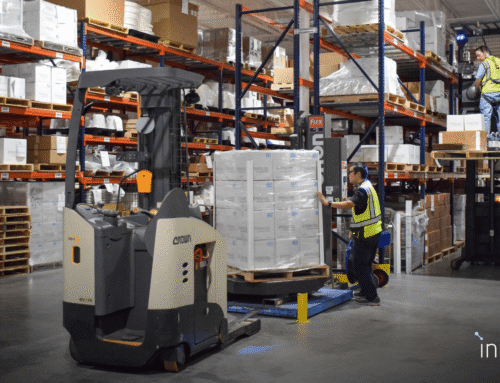
Long lead times with no buffer. Medical device development schedules are constructed around assumed material availability. When those assumptions are wrong, the downstream consequences are significant. Delivery times, availability, and prices in the industrial supply chain can change rapidly. What can be delivered today for a given price may cost twice as much the next day or be unavailable for months. When a design depends on a material with a long or volatile lead time, any design change, testing failure, or supplier disruption can push a product launch back by months. Timing also matters at the material level: adhesives and films have shelf lives, and expiration means loss of elasticity and adhesion performance. A late design change that forces reorder can invalidate testing already completed.
Biocompatibility assumptions that have not been tested. It is often assumed that a material used in one application is suitable for another without formal evaluation. Manufacturers must address concerns like potential toxicity, leeching of chemicals, or allergenic reactions in the end patient. Biocompatibility is not a general property of a material class. It is specific to device type, contact duration, and contact site, and it must be demonstrated through testing.
Biocompatibility is defined as the ability of a medical device or material to perform with an appropriate host response in a specific application. Completing chemical characterization and toxicology assessment early in the process will help ensure biocompatibility during the design phase and expedite device registration and time to market.
Adhesive and skin-contact compatibility. Skin-contact adhesives carry specific compliance requirements that are separate from general biocompatibility. Beyond regulatory requirements, the physical behavior of an adhesive under the conditions of actual use is not predictable from a datasheet alone. Surface energy mismatches between adhesive and substrate, moisture vapor transmission requirements for on-body wear, and liner behavior during high-speed converting all effect whether an adhesive that performs in prototype will perform at volume.
Manufacturability limitations that appear after prototyping. Sometimes, a material selection is not thought through sufficiently at the design stage. It is easy to design a prototype concept with off-the-shelf materials, and then the natural inclination is to evolve the design from there. This process can lead the engineer through wasteful detours. The gap between prototype and production is where material decisions that seemed adequate become constraints on process design.
How Innovize Evaluates Materials Differently
Our approach starts before a design is finalized. When a customer brings us a new device idea, we get physical samples and put hands on the materials. We are not evaluating from a datasheet. We are evaluating from the standpoint of what our equipment can actually do with a given material.
The central question we ask is: what is the customer actually trying to accomplish? That distinction matters. Engineering requirements are often written to cover every possible risk, rather than the specific risks of a given device. Understanding what a product must do allows us to identify what is truly required versus what is a default specification inherited from a prior project or a general standard.
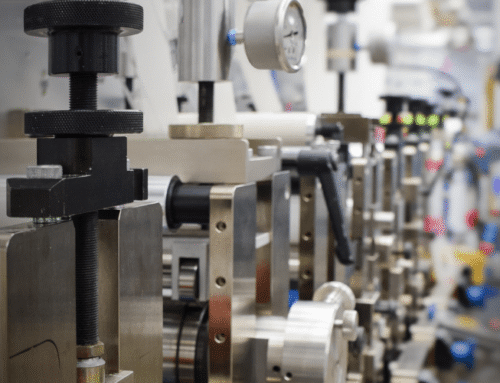
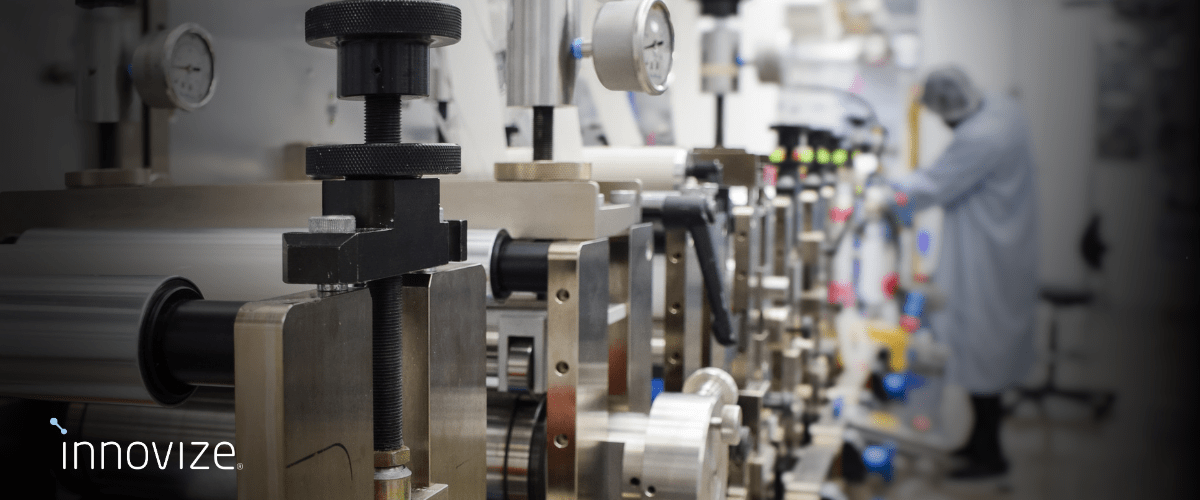
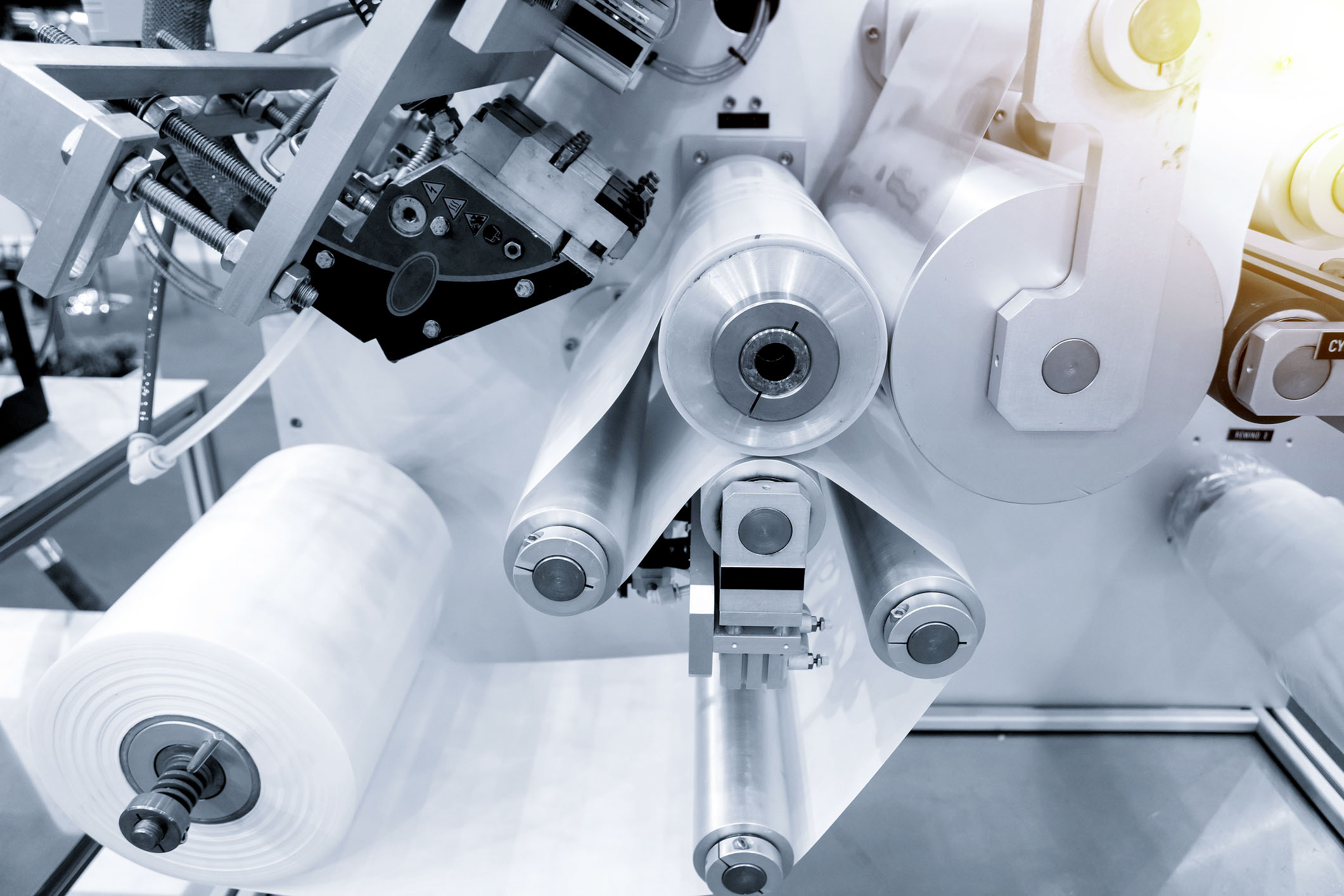
Design for manufacturability is the foundation. Every material decision has a process implication. A material that behaves well on a flatbed press may perform poorly on a rotary die cutting line. Rotary die cutting is the preferred method for high-volume production of thin film and pressure-sensitive adhesive tape die cuts, involving the use of custom-engineered cylindrical dies mounted on a rotary press which continuously converts materials into precise shapes. Whether a material can be put on a roll and run at speed is not a secondary question. It determines whether a design is manufacturable at the volume and cost the customer needs.
Adhesive compatibility is evaluated in context. The adhesive must be compatible with the substrate it bonds to, with the liner it is supplied on, with the process it runs through, and with the patient it will contact. Selecting the best tape or adhesive for a die-cut medical part depends on the application itself, as well as factors like wear duration, construction, and where a device attaches to the patient. Surface energy mismatches, in particular, are not visible in prototype conditions and only surface at production scale.
Lead time and supplier relationships are material selection factors. This is a factor that doesn’t get considered during early material decisions but should be. When Innovize has established relationships with suppliers, we have leverage to get accurate lead time information, better visibility into pricing and minimum order quantities, and early warning of supply constraints. That supplier-level intelligence changes what we recommend and when.
Innovize’s approach enables product development teams to analyze supplier risk, material availability, and cost implications as part of the design phase. The result is a product that is not only functional but also manufacturable and deliverable at scale and on time. Embedding that analysis at the design stage, rather than treating it as a procurement function, is how lead time risk is managed rather than absorbed.
Quality and manufacturing teams are part of the evaluation. Material selection is not a design engineering function alone. Quality is involved in testing protocol development. Manufacturing gives feedback once materials are running on equipment. Both functions surface problems that are invisible in a design review. The earlier those teams are part of the conversation, the less expensive the problems they identify.
Tolerances and converting geometry. Whether a device is die cut, assembled, packaged, or some combination, determines the precision requirements for the materials involved. Tolerances that are achievable with one material construction may not be achievable with another. Tolerance rationalization, specifying only the precision actually required for function, minimizes manufacturing costs. Material standardization using proven, validated materials across multiple projects leverages existing documentation. Specifying tighter tolerances than a device requires is a cost driver that often traces back to a material choice made before converting process requirements were considered.
Sterilization compatibility. There are a host of manufacturing pressures that drive the choice of sterilization processes. Not thinking that through early can be costly and time consuming. A material that meets all performance and biocompatibility requirements but is incompatible with the intended sterilization method requires a redesign. That redesign, if it comes late, carries full retesting and revalidation costs.
Regulatory documentation requirements. The testing required for toxicology and biocompatibility assessment does not produce simple pass or fail results. These evaluations collectively create a demonstration of compliance. Because this requires a thorough and well-documented approach, the certification and approval process cannot be rushed. Materials that are new to a device category, or that lack existing documentation packages, add time to regulatory submission regardless of how well they perform. Known and validated materials with complete certification packages reduce that risk.
What Surprises Customers Most
The most common source of surprise when we review a customer’s material choices is the gap between what a specification says and what a supplier can actually deliver. Minimum order quantities, pricing at volume, and lead time variability are not visible in early design work. When a product reaches production, those factors determine whether the economics of the device work. If we have input on choosing a supplier, we can give better insights into what is realistic.
We also run into the assumption that a material selected for one device generation can carry forward into the next without re-evaluation. Changes in device geometry, intended use, or manufacturing process can change the performance requirements of a material even if the material itself has not changed.
What Engineers Should Do Differently
Know your preferred suppliers and what they can actually provide. A supplier relationship is only useful if you understand the supplier’s constraints. What they can deliver, at what quantity, on what timeline, and with what documentation, should inform material selection from the beginning of a program.
Be realistic about specifications. Specifications that exceed what a product actually requires add cost at every stage of development and manufacturing. The discipline of separating what is required from what is familiar or conservative is one of the highest-value contributions a development team can make.
Engage your manufacturing partner before the design is frozen. The cost of incorporating manufacturing feedback into an early design is low. The cost of incorporating it after a design review is substantially higher. After first article production, it may be prohibitive. Developing manufacturable processes while maintaining biocompatibility and design integrity requires early integration of manufacturing expertise into the material selection phase.
Test what the product will actually do. Adhesion, wear time, conversion behavior, tolerance conformance, and sterilization compatibility all need to be verified under conditions that reflect production, not prototype. The equipment capabilities, roll specifications, adhesive behavior at speed, and packaging requirements are all part of what a material must perform against.
Material selection is not a single decision. It is a set of decisions made continuously across early development, each one constraining or enabling what comes next. The teams that get this right are the ones that treat their manufacturing partner as a technical resource from day one, not a vendor engaged after the design is done. That is what we mean when we say Innovize is a development partner, and it is what separates devices that scale from devices that stall.